
The usual advice for separated parents is to work together as a team. But what if every conversation turns into an argument? For some families, parallel parenting is a more realistic way to protect children from conflict.
What is parallel parenting?
Parallel parenting means each parent looks after the children in their own way during their own time, with as little direct contact with each other as possible. Instead of making every decision together, you agree the essentials and then step back.
Communication is kept to a minimum: short, factual and usually in writing.
How is it different from co-parenting?
| Co-parenting | Parallel parenting | |
|---|---|---|
| Contact between parents | Regular, often informal | Minimal, mostly written |
| Day-to-day decisions | Often made together | Made by whichever parent has the children |
| Rules at each home | Usually aligned | Can differ |
| School events and handovers | Often attended together | Usually separate, or handovers in a neutral place |
| Best suited to | Parents who get on reasonably well | High-conflict separations |
When can parallel parenting help?
- when conversations regularly turn into arguments
- when children are being exposed to conflict at handovers
- in the early stages of a difficult separation, while emotions are running high
- when one parent feels intimidated by direct contact
It’s often a stepping stone. Many parents find that once there’s less contact and less conflict, communication slowly improves.
How to make it work
- Have a detailed parenting plan. The less that’s left open, the less there is to argue about.
- Use one written channel. Keep messages short, factual and about the children.
- Choose neutral handovers. School, nursery or a public place can avoid face-to-face conflict.
- Accept different rules. Bedtimes or screen time may differ between homes. Unless it’s a safety issue, let it go.
- Share important information. Health, school and safety updates still need to be passed on.
- Never use the children as messengers.
When it isn’t enough
Parallel parenting is about reducing conflict. It isn’t a solution where there is domestic abuse or a child is at risk. If you have safety concerns, speak to a solicitor, contact the police in an emergency, or reach out to a support service such as the National Domestic Abuse Helpline.
How Chlikk CoParenting helps
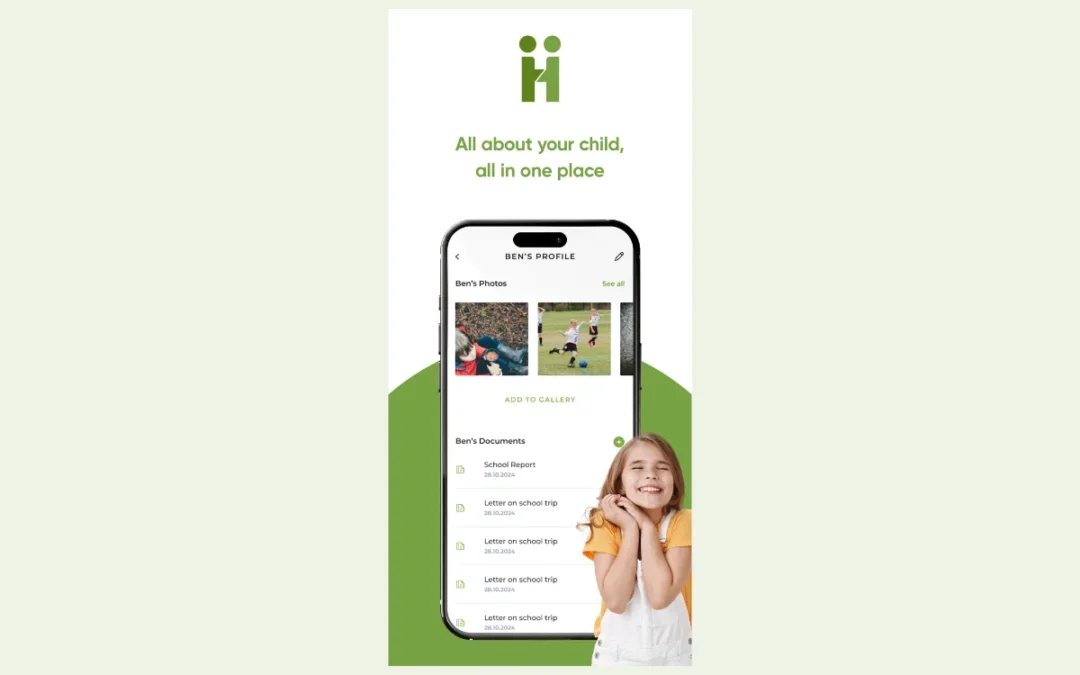
Chlikk CoParenting is ideal for parallel parenting. All communication happens in one written, timestamped channel, so there’s no need for calls or face-to-face conversations. The shared calendar shows handovers and schedules at a glance, and you can share school and health updates without needing to talk. Parents can use Chlikk independently, without needing to be in contact outside the app.
This article is general information for parents in England and Wales, not legal advice. For advice on your situation, speak to a family law solicitor or mediator.