
A parenting plan is a written agreement between separated parents about how you’ll care for your children. It isn’t a court order, but it can prevent misunderstandings, reduce arguments and give your children a routine they can rely on.
Why have a parenting plan?
- Everyone knows what’s expected, so there’s less to argue about.
- Children get stability and know what’s happening next.
- It’s quicker and cheaper than going to court.
- If you do go to court later, it shows you’ve tried to agree arrangements.
Cafcass has a free parenting plan you can use as a starting point, and a mediator can help you agree one if talking directly is difficult.
What to include: a checklist
Living arrangements
- where the children will live during the week
- the regular schedule for time with each parent, including overnights
- handover times and places, and who does the driving
Holidays and special days
- school holidays, split by week or by half
- Christmas, Easter and other religious or cultural festivals
- birthdays, Mother’s Day and Father’s Day
- travel abroad: how much notice, and sharing passports and itineraries
Communication
- how you’ll communicate with each other, and how quickly you’ll reply
- how and when the children can contact the parent they’re not with
- how you’ll share news about school, health and activities
Education and health
- who attends parents’ evenings and school events
- how you’ll make decisions about schools
- registering both parents with the GP and dentist
- what happens if a child is ill on a handover day
Money
- child maintenance arrangements
- how you’ll split extra costs like school trips, uniforms, clubs and phones
- how you’ll keep track of who has paid what
Rules and routines
- bedtimes, screen time and homework
- new partners: when and how they’ll be introduced
- how you’ll talk about the other parent in front of the children
Reviewing the plan
- how often you’ll review it, for example every six months or at the start of each school year
- what you’ll do if you disagree, such as returning to mediation
Keep it realistic
A good parenting plan is specific enough to avoid confusion but flexible enough to work in real life. As children get older, their views should be taken into account and the plan should change with them.
How Chlikk CoParenting helps
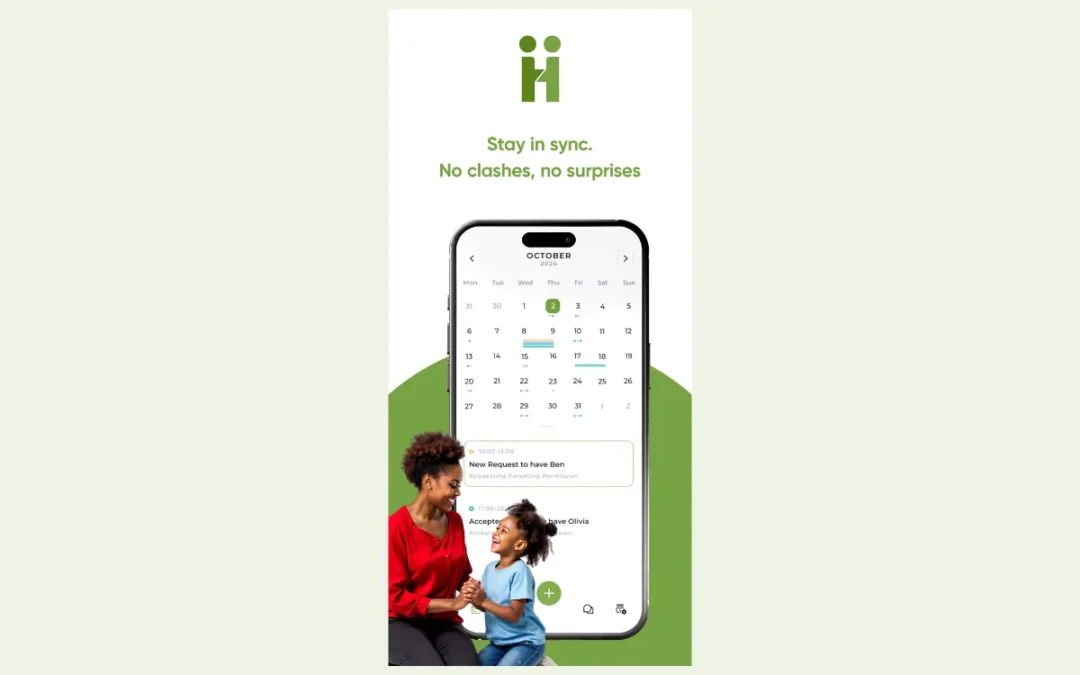
Chlikk CoParenting turns your parenting plan into something you can actually use day to day. Put your schedule into the shared calendar, log overnight stays, track shared expenses and keep all communication in one place. If the plan changes, both parents can see the update straight away.
This article is general information for parents in England and Wales, not legal advice. For advice on your situation, speak to a family law solicitor or mediator.