
BLOG
Best Ways to Talk to Your Co-Parent
Talking to your co-parent isn’t always easy, especially when emotions from the past still linger. But how you communicate can shape your entire co-parenting experience, from daily logistics to your child’s sense of stability.
The goal isn’t to be best friends, it’s to create a respectful, consistent dialogue that keeps your child at the centre. Here’s how to do that.
Child-Focused
Every conversation should come back to one question: What’s best for our child?
Avoid re-hashing old relationship issues or personal criticisms. Stay focused on practical matters like school, health, and routines.
Keeping discussions about your child’s wellbeing helps prevent conversations from drifting into conflict.
The Right Communication Method
Not every discussion needs to happen face-to-face. In fact, many co-parents communicate better through written channels that allow space and clarity.
- Text or messaging apps: Good for short updates and scheduling.
- Email: Ideal for longer, less urgent discussions.
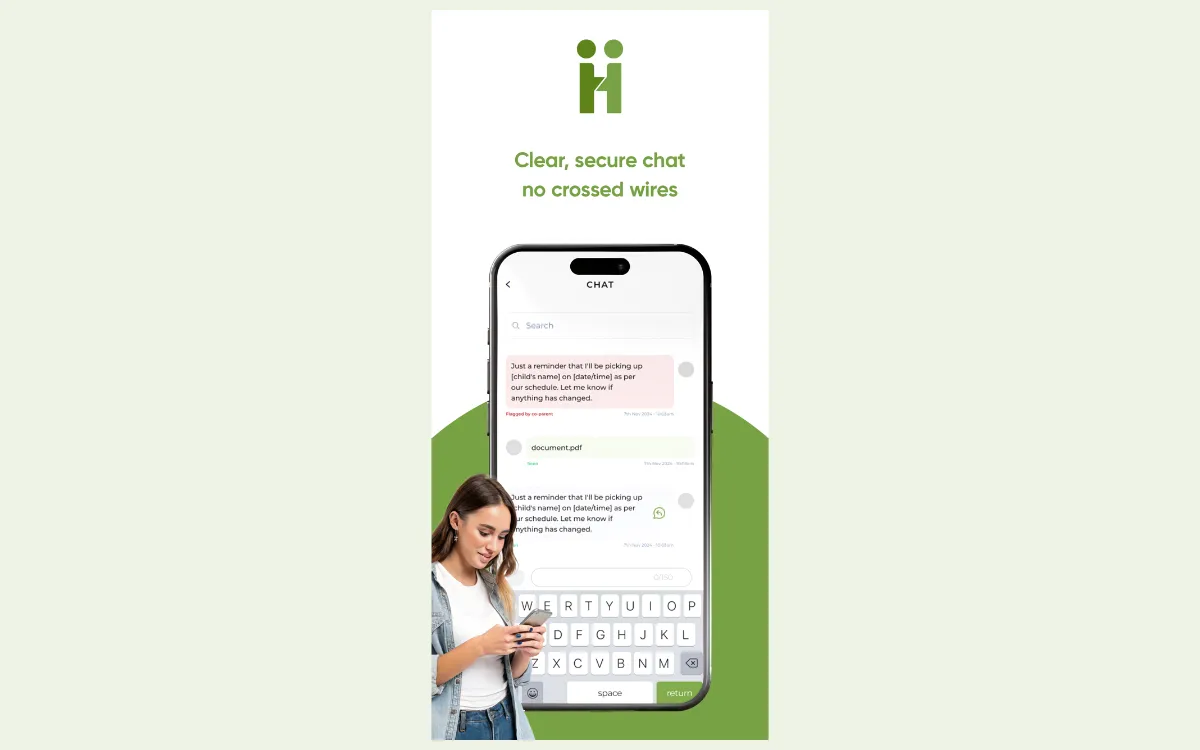
- Co-parenting apps (like Chlikk CoParenting): Designed for calm, structured communication with message logs and shared notes.
If talking in person tends to cause tension, agree to keep most communication within the app, it keeps things organised and emotionally neutral.
Clear and Specific
Clarity prevents confusion and unnecessary follow-ups. When writing, think of your message like an agreement, polite, brief, and precise.
Keep Your Wording Neutral
Text messages can’t carry your voice or your expression, so it’s easy for something simple to sound sharp.
Keep your wording factual and friendly. Avoid sarcasm, all-caps, or long emotional paragraphs. Before sending, reread your message and ask yourself: Would I be happy if a judge, mediator, or my child read this?
That small pause can save a big argument.
Don’t Reply in Anger
If a message frustrates you, wait. Step away for an hour or even a day before responding.
Reacting while upset often escalates small disagreements into bigger conflicts. Once you’ve cooled down, you’ll write with more balance, and likely get a better outcome.
Communication Boundaries
Healthy boundaries protect both parents’ time and energy.
Agree on:
- How often you’ll communicate (e.g. once a day for logistics).
- When it’s appropriate to message (avoid late-night texts).
- What topics are off-limits (personal relationships, past issues).
Using an app like Chlikk makes this easier, it keeps communication in one neutral space, away from personal text threads or social media.
Listen, Don’t Just Talk
Good communication is a two-way street. Listening shows respect, even when you disagree.
Try to understand where your co-parent is coming from before responding. Acknowledging their perspective can often defuse tension and lead to a faster solution.
Keep Records
Sometimes, especially in formal or high-conflict co-parenting arrangements, keeping a record of communication is important.
Using Chlikk’s message log keeps everything timestamped, secure, and easy to reference, without feeling like you’re constantly “monitoring” each other.
Takeaway
You don’t have to like every conversation with your co-parent, but you can make them constructive. Keep it short, child-focused, and respectful. Over time, clear and calm communication builds trust, reduces conflict, and gives your child the stable environment they deserve.
At Chlikk CoParenting, we’re here to make that process easier, with tools that help parents talk, plan, and collaborate without the stress.