
BLOG
Create a Co-Parenting Plan That Works
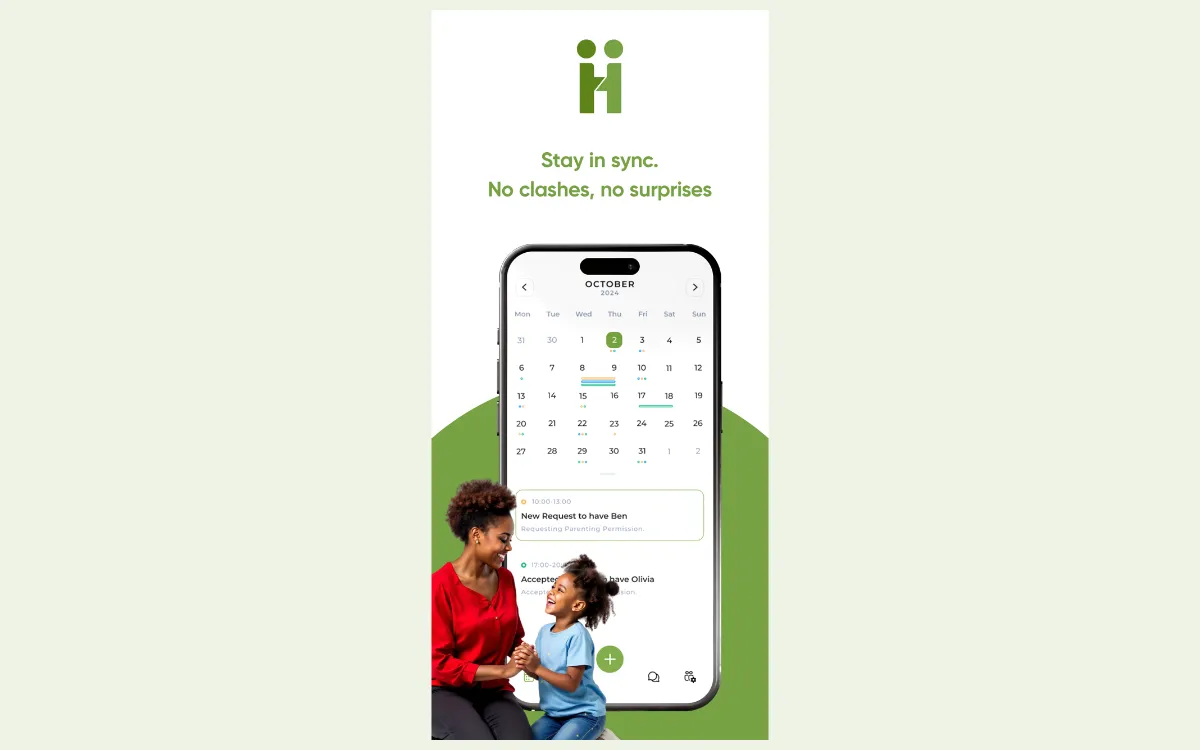
When parents separate, emotions can run high, but everyone benefits from clarity. A clear co-parenting plan reduces uncertainty, prevents unnecessary conflict, and gives your child stability across two homes. With the right structure, co-parenting becomes calmer, more predictable, and far less stressful for everyone involved.
This guide explains how to create a co-parenting plan that is child-focused, practical, and easy to follow.
Start With Your Child’s Needs
Before discussing schedules or logistics, focus on what helps your child feel safe and secure. Every child is different, and a good plan reflects their age, personality, and emotional needs.
Consider:
- your child’s daily routine
- how they cope with transitions
- what consistency matters most, such as school, bedtime, or meals
Children benefit from predictable routines, smooth handovers, clear expectations, and emotional safety in both homes. A strong co-parenting plan always starts with empathy.
Agree on Living Arrangements and Schedules
This is the foundation of your plan. It should clearly outline:
- where your child lives
- weekly routines
- weekends and overnights
- school holidays and term breaks
- birthdays and special occasions
- handover times and locations
Children cope best when they know what to expect and when plans are consistent.
📅 Chlikk CoParenting’s shared calendar helps both parents stay aligned with handovers, routines, school events, and activities. Everyone sees the same information, reducing confusion and missed arrangements.
Decide How You Will Communicate
Clear communication prevents most co-parenting conflict, so it’s important to agree on how and when you communicate.
Decide:
- whether communication will be written
- how often updates are shared
- how urgent issues are handled
- how concerns or disagreements are raised
Many parents find that written communication through a co-parenting app is calmer and more constructive than personal messaging.
Chlikk provides a secure, organised space for communication, including a court-order-aware message support system built specifically for separated parents. Both parents always receive the same plan level, so no one can restrict or control access.
CoGuard™ flags messages that may escalate conflict or conflict with legal instructions such as court orders or parenting plans. CoBreather™ Pro then offers safer, calmer alternatives to help keep communication child-focused.
💬 🔴 CoGuard™ detects a risky message
You never tell me anything. I am sick of this. Why can you not just communicate properly for once
💬 🟢 CoBreather™ Pro safer message
Can you let me know when the school email comes in so we both stay updated
Clarify Decision-Making Responsibilities
Your plan should clearly define who makes which decisions to avoid confusion later.
Common areas include:
- education and school choices
- medical care and emergencies
- activities and clubs
- travel and consent
- religious upbringing (if relevant)
Some decisions will be joint, while others may be made by the parent caring for the child at the time. Writing this clearly reduces misunderstandings.
Plan for Holidays and Special Occasions
Special days often cause tension unless they are agreed in advance. Your plan should include:
- school holidays
- religious celebrations
- birthdays
- extended family time
- travel arrangements and notice periods
Predictability helps children feel more relaxed and excited about important events.
Include Health and Practical Arrangements
Day-to-day details matter more than people often expect. Consider including:
- illness and medication routines
- doctor and dentist information
- emergency procedures
- school uniforms and clothing
- how items move between homes
These practical agreements help everyday life run more smoothly.
Agree on Financial Responsibilities
Money can be a source of stress if left unclear. Discuss and document:
- day-to-day expenses
- school costs and activities
- medical or unexpected expenses
- how reimbursements are handled
Chlikk’s expense tools allow parents to log shared costs clearly, keeping everything transparent and balanced.
Set Boundaries That Protect Everyone
Healthy boundaries reduce emotional strain and support respectful co-parenting.
Agree on:
- messaging hours
- keeping communication child-focused
- respecting personal time
- avoiding emotional or personal topics in writing
Boundaries are not about control. They are about protecting wellbeing and creating stability.
Create a Process for Handling Disagreements
No plan prevents every disagreement. What matters is how you manage them.
Your plan should outline:
- how concerns are raised
- response timeframes
- when to pause conversations
- when to use written communication
- when mediation may be needed
CoGuard™ and CoBreather™ Pro help parents stay grounded, compliant, and calm during stressful moments, reducing escalation before it starts.
Review the Plan Regularly
Children grow and circumstances change. Build in review points, such as every 6 or 12 months, or sooner after major life changes.
Regular reviews keep the plan fair, relevant, and focused on your child’s evolving needs.
Summary
A clear co-parenting plan brings more than organisation. It brings calm, stability, and emotional safety for your child.
Chlikk supports parents with:
- secure, court-aware messaging
- CoGuard™ legal-aware communication checks
- CoBreather™ Pro safer message support
- shared calendars
- expense tracking
- equal access for both parents, preventing coercive control
With the right plan and the right tools, co-parenting becomes clearer, calmer, and far more predictable for everyone involved.